san pedro ceremonies amongst the Apus in pisac, sacred valley

san pedro ceremonies amongst the Apus in pisac, sacred valley

Welcome to Hummingbird Retreat
Hummingbird Retreat is a small home-based healing centre located on the tranquil outskirts of Pisac in the Sacred Valley of Peru.Guests have the opportunity to participate in ceremonies with the traditional plant-medicine
San Pedro; an introspective exploration of their inner world; a profound and potentially life-transforming experience, likely offering significant benefits to one’s health, self-awareness, and sense of well-being.Ceremonies are guided by Paul Temple, with more than 24 years of experience, in a safe and supportive environment amidst a beautiful terraced-garden setting, with views across the Inca-era terraced fields to the surrounding mountain Apus.


Paul Temple
Graduated from UCNW Bangor with a honours degree in Botany and a Postgraduate Certificate in Education. An avid rock-climber, and a secondary-school teacher, he emigrated to Canada where he worked in the mining business for several years before travelling to India - where he resided for the better part of the next fourteen years, studying yoga, meditation and Sanskrit.A lifelong gardener, he first came to Peru in 1999 to explore the shamanic use of traditional plant-medicines, and currently lives just outside of Pisaq, in a self-designed house based loosely on the principals of sacred geometry, and designed specifically to support visitors in the study of San Pedro, and the integration of the teachings of this ancient tradition into contemporary life.Paul’s time in India influences much of the way he works. He holds a solid grounded energy with much of his focus being to assist clients to recognize and hold their own energetic-centre. His soft and gentle conversational approach is rich in symbols, analogies and stories.

If you are seeking change and a renewed sense of Self and purpose, the Hummingbird Retreat Peru is ideal for you.
Are you yearning for time out from your hectic world?
Have you heard yourself ask “there must be more to life”
Are you looking for inner renewal and rejuvenation?
Do you want to explore who you really are and know your full potential?
Are you ready for change and need time to explore who you really are and who you want to be?
Would you like to release the blocks that are holding you back?
Are you looking for the adventure of a lifetime?
Hummingbird Retreat is most ideal for people who are on a genuine path of discovery and/or healing journey. Those that will benefit most from their time here are those who have come to an awareness that they need change and are willing to do what is needed to get it. All great journeys have their challenges as we traverse the diverse landscape of our inner and outer worlds, however the adventurous soul will no doubt be grateful for having embarked on this journey and discover a wonderful new heart-centred way of life, full of meaning and purpose.
San Pedro: Sacred Plant-Medicine

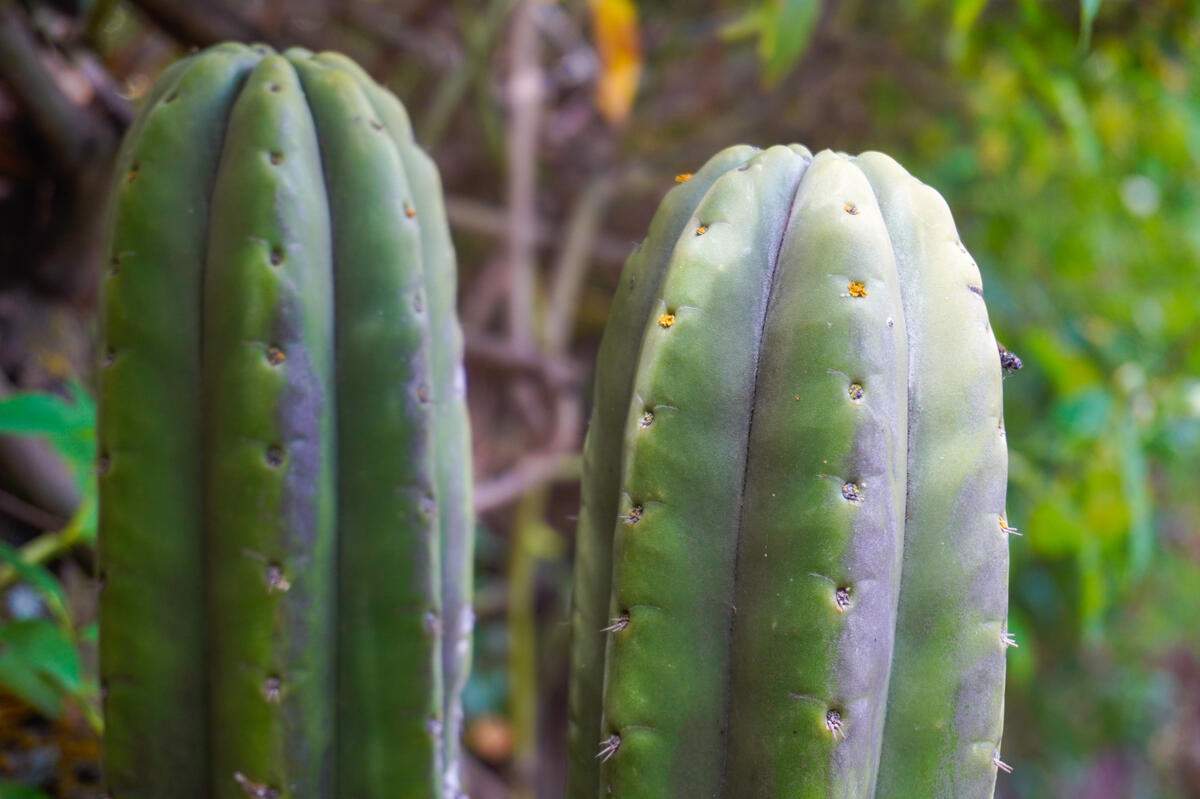
The San Pedro cactus is native to the Andes Mountains and has a long history, more than 3000 years, in Andean traditional medicine. Containing the psychoactive substance mescaline, it is regarded as a healing plant and a profoundly transformative and visionary plant-medicine. Its medicinal use continues into contemporary times here in Peru, where such traditional use is both respected and legal.San Pedro (Huachuma in Quechua, the native language of the Andean people) is used in traditional healing to address issues of emotional and energetic disturbance, renown for it’s anti-anxiety and anti-depressive qualities, and addressing imbalance between the head and heart spaces.Anecdotal evidence supports that it has contributed significantly to a wide range of health issues.From a shamanic perspective San Pedro is regarded as a powerful transformative tool. To drink the medicine is like having a mirror held directly in front of one’s face, and to see reflected therein the energetic status of one’s Self in the minutest detail, like an unraveling of one’s cultural programming. It is regarded as ‘heart-medicine’ and one is encouraged not to spend too much time in the realm of the mind and intellect, trying to figure it out, but rather to ‘feel’ into the experience; to let-go of those points of tension in the body, perhaps remnants of past emotional traumas, and redundant modes of thinking and behaviour – to release the old non-supportive aspects and make space for a new, enlivened and more meaningful relationship; with one’s Self, the persons around us, and indeed with the sentience of the very planet that supports us. Muchas Gracias Pachamama.As a sacred plant-medicine, San Pedro is said to dissolve the personal ego and to connect one with one’s Self or the Divine Spirit; and as a visionary plant-medicine, to impart information, not so much through the agency of the mind and intellect, but through enhancing the intuitive capacity – and thus heard in the stillness and yet paradoxical dynamism of the silence of one’s heart-space, one’s own inner seat of the consciousness.

San Pedro
Ceremonies
An Introspective Journey with Sacred Plant Medicine
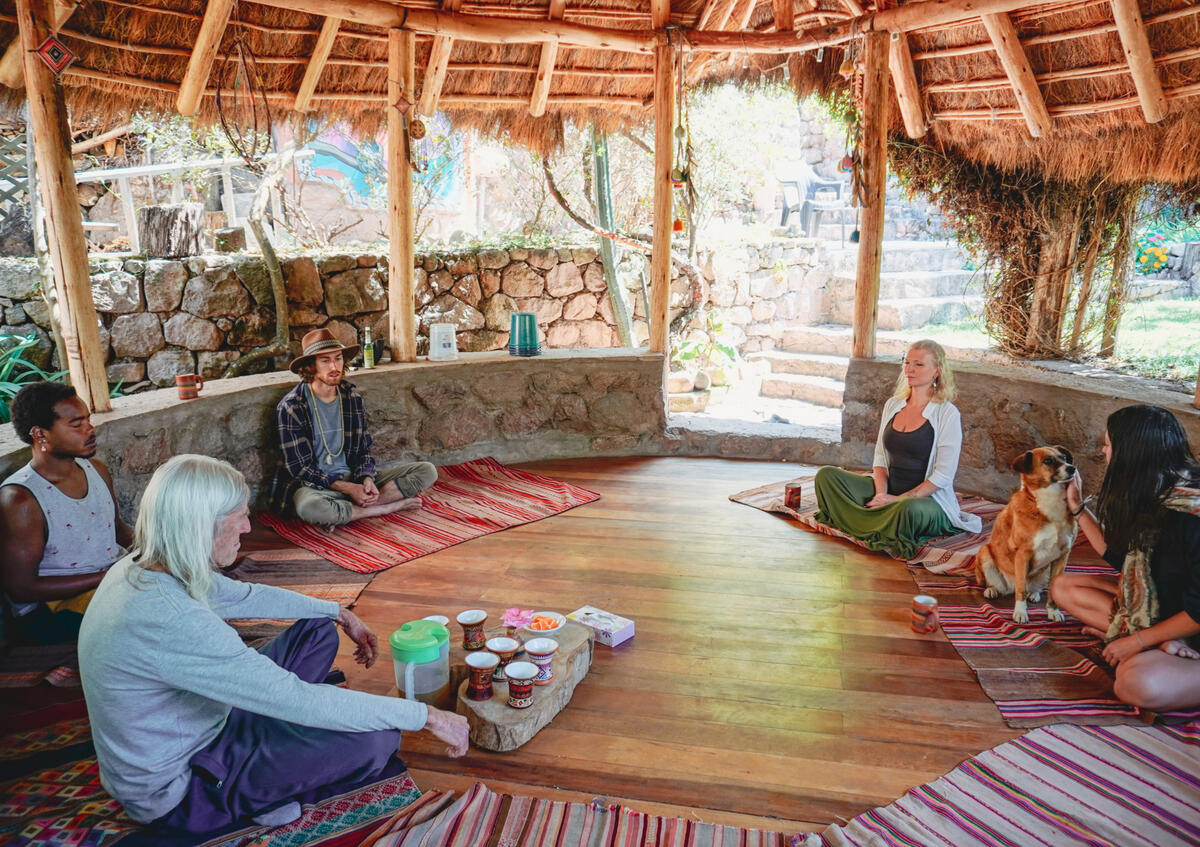
Paul hosts regular San Pedro ceremonies, usually on Wednesday of each week, with the intention of providing a safe and supportive space for each person to fully immerse themselves in this heart-centred plant-medicine. The emphasis of this introspective ceremony is with regards to the practical application of the experience to the contemporary mind-set, rather than a more ritualized shamanic style of working with this plant-medicine.This day-long ceremony lasts about 12 hours, and is essentially a highly personal introspective experience; a deep inner journey into a greater sense of self-awareness, likely a re-calibration or re-alignment of our energies, a letting go of redundant belief or behavioural patterns, a process of personal re-empowerment, and an opportunity to consider the nature of the personal insights for which this medicine is renown.Hot tea and filtered water are available throughout the day. In the early evening a home-cooked vegetarian meal is served. There is the opportunity to sit around the fire a share a gentle closing space together.The morning following the ceremony, after some world-class Peruvian coffee or organic herbal teas from the garden, there is the recommended option to meet together at 8:30am for the debrief / integration session to support participants in their personal process.The connection with nature with this plant-medicine is profound and most people prefer to spend much of the day outdoors in the garden, moving indoors in the late afternoon where the woodstove will be burning (earlier on cold days).
Weekly Ceremony
Usually held on Wednesday of each week, a more public affair, a maximum of about 10 persons, but more likely a small group (averaging say 3-6 people in this post? covid era), and a mix of people; a few that have participated here previously, or elsewhere, and others drinking this medicine for the first time.
US$100 per person (or Peruvian Soles equivalent at the current Google exchange rate).
Private Group Ceremony
If you can’t make it on a Wednesday, or seek a more private group setting, it may occasionally be possible to arrange a private ceremony on a different day of the week, for a minimum of two persons.Price: 2-4 persons US$120 person, more than 4 persons US$110 per person (or Soles equivalent).
Retreat Programs
For those individuals seeking a longer-term, or more intense engagement with San Pedro, likely two or three ceremonies during the week. These programs tend to be with persons that have experienced San Pedro here at Hummingbird Retreat previously, are familiar with the nature of the medicine, and resonate with Paul’s style of holding ceremony. They are residential, individually-tailored yet flexible programs.
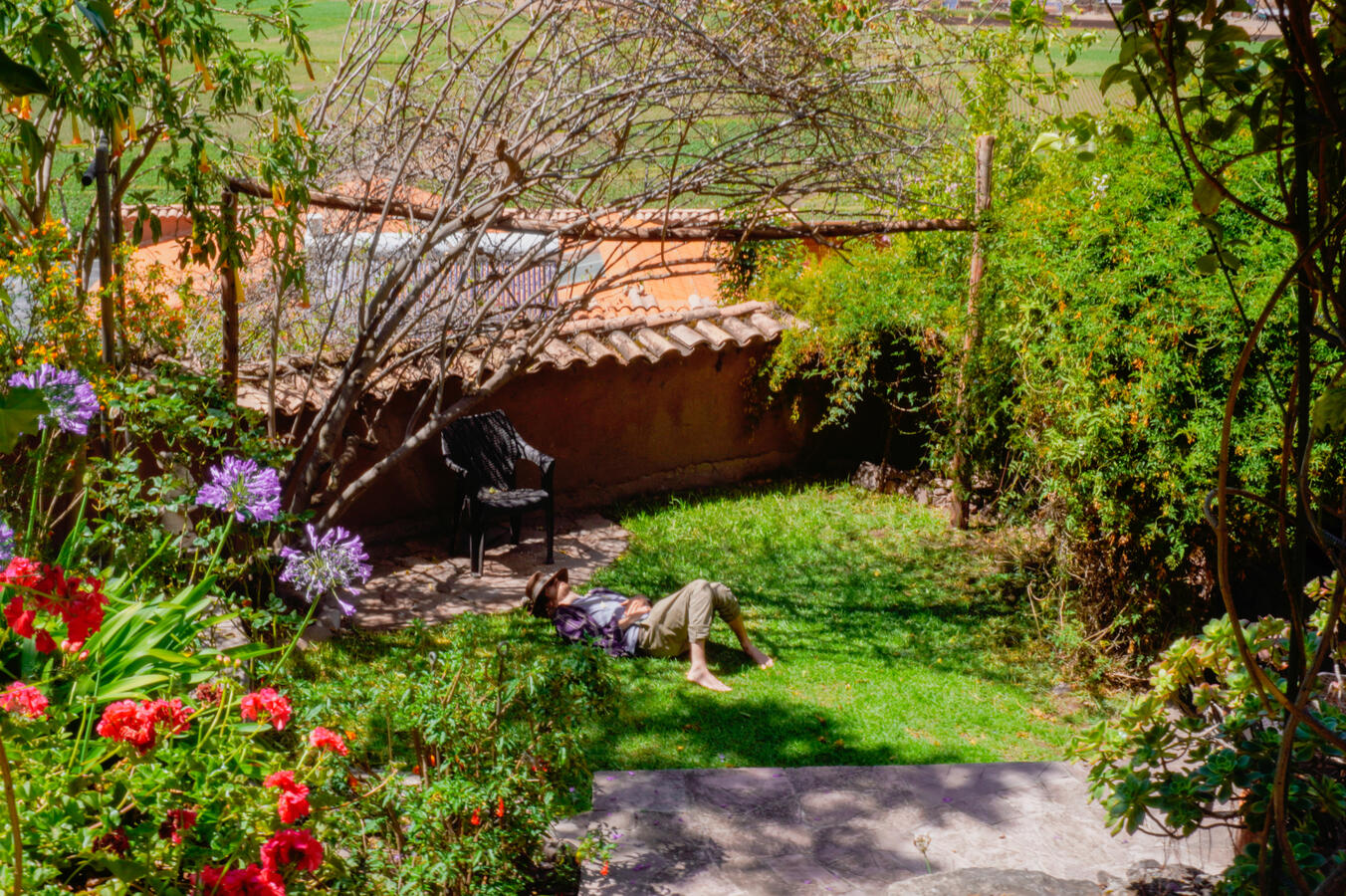
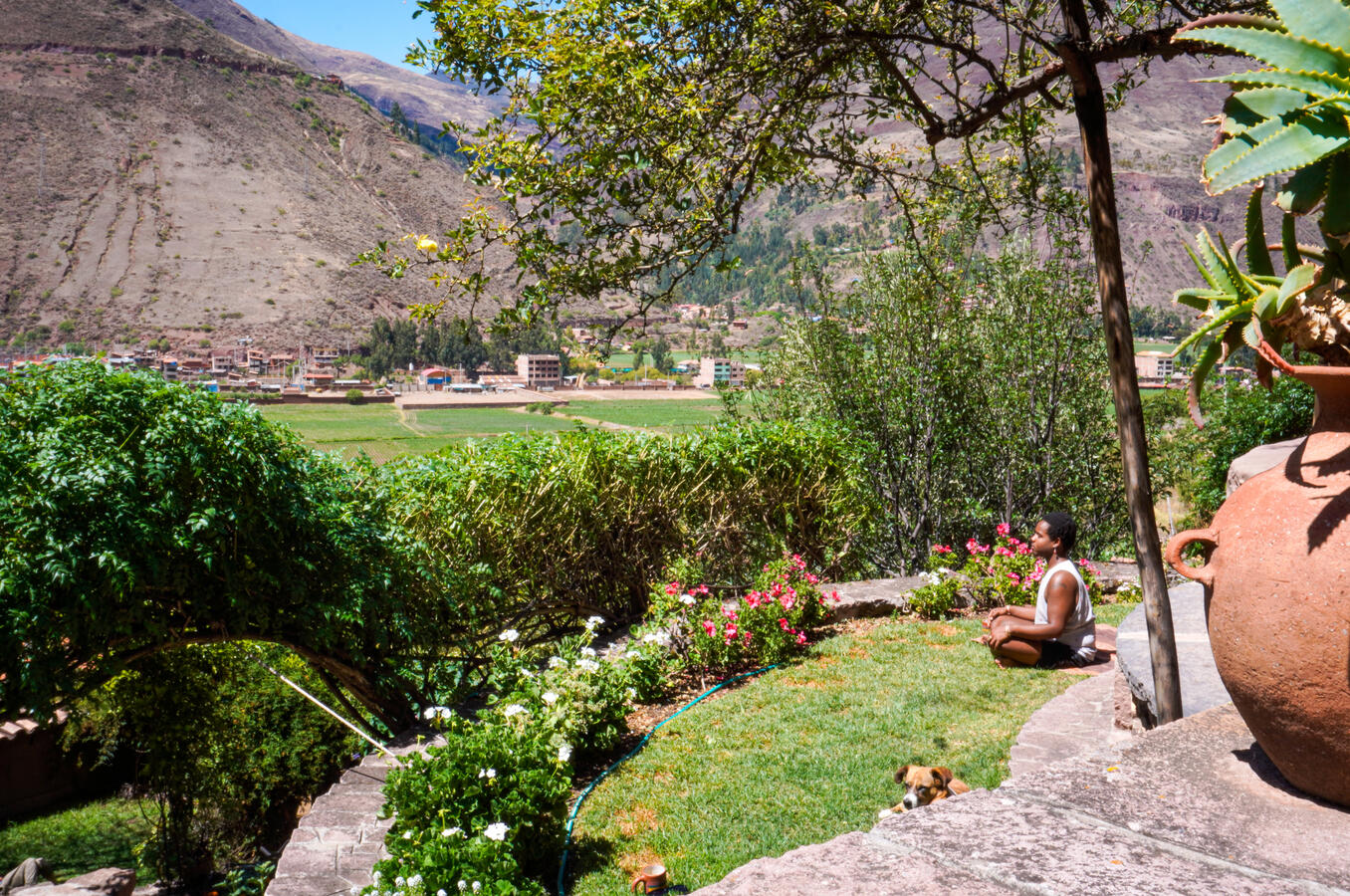
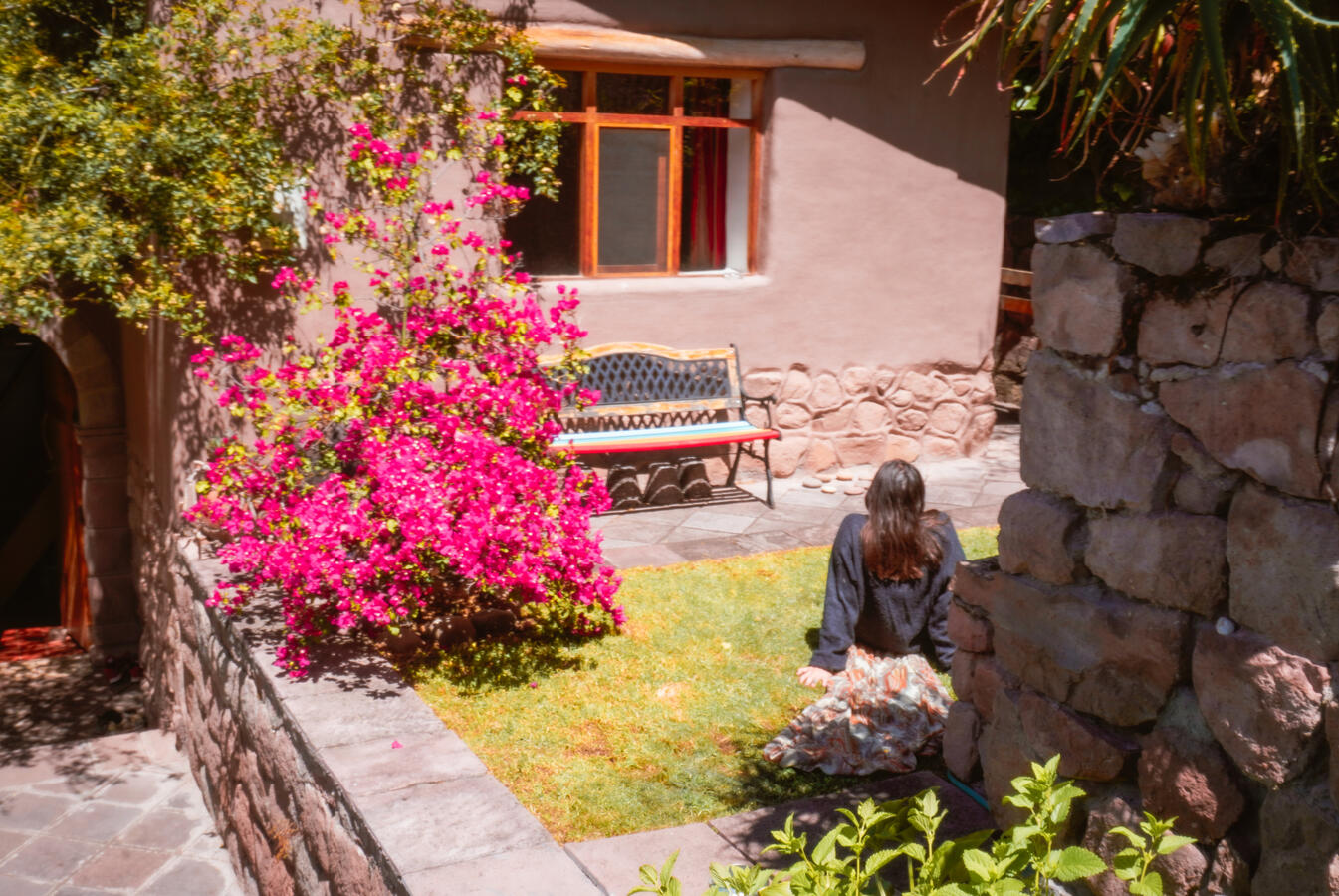
Ceremonies are held in our magical garden, amongst terraces of vegetables, herbs, fruits, flowers and the San Pedro terrace.
The garden has been created with areas where participants can gather or have time alone, surrounded by stunning views of the local mountains and the surrounding valley.
Confirmation
If you are intending to come and participate in ceremony, please confirm at least 48 hours beforehand, so that we can prepare sufficient food and medicine for everyone. Please let us know at least 48 hours beforehand if you have any specific health issues, are taking prescription medications, or have any particular dietary restrictions and we will try and accommodate your needs. There is a range of accommodation options available for those wishing to stay the night. Bookings are accepted on a first confirmed basis.
Ceremony Day
arrive at 8am, catch your breath, meet the other participants and sip some tea. Before we drink Paul will talk for 20-30 minutes about the nature of the medicine and how it works, what one may experience and how to work with the medicine using the breath and attention; the reason for observing mostly silence, surrender and letting go. The nature (low on structure, high on personal focus) and progressive unfoldment of the ceremony and Paul’s support role in it - I can’t do anybody else’s journey, but I have a lot of experience and can likely assist if you encounter difficulties. We’ll finish off this introductory session with some logistical material; blankets, buckets, and bathrooms, and address any questions that you may have. The ceremony usually ends at 7pm.
What to bring
Wear comfortable clothing as you’ll likely be lying around the garden for much of the day; layered clothing for this changeful climate (it can get hot and cold from one minute to the next); sun protection (hat, glasses, sunblock); a flashlight, and maybe your sacred talisman or crystal. Mostly, bring an open heart and a willingness to ‘show up’ and embrace your experience with the medicine. Please turn off cellular phones during the ceremony.
Preparation
It is recommended to forgo breakfast on the morning of the ceremony; it can be quite challenging on the stomach level to drink San Pedro, and it’s easier on an empty stomach, just herb tea (avoid milk). Unlike some other plant-medicines there are no specific food restrictions, although one will likely receive the benefits of any personal dietary observances - perhaps eat lightly the evening before. Main thing is to be receptive to the medicine. Be clear as to your intentions - why do you want to ingest this medicine, what do you hope to receive from the experience?
San Pedro: Sacred Plant-Medicine
The San Pedro cactus is native to the Andes Mountains and has a long history, more than 3000 years, in Andean traditional medicine. Containing the psychoactive substance mescaline, it is regarded as a healing plant and a profoundly transformative and visionary plant-medicine. Its medicinal use continues into contemporary times here in Peru, where such traditional use is both respected and legal.San Pedro (Huachuma in Quechua, the native language of the Andean people) is used in traditional healing to address issues of emotional and energetic disturbance, renown for it’s anti-anxiety and anti-depressive qualities, and addressing imbalance between the head and heart spaces.Anecdotal evidence supports that it has contributed significantly to a wide range of health issues.From a shamanic perspective San Pedro is regarded as a powerful transformative tool. To drink the medicine is like having a mirror held directly in front of one’s face, and to see reflected therein the energetic status of one’s Self in the minutest detail, like an unraveling of one’s cultural programming. It is regarded as ‘heart-medicine’ and one is encouraged not to spend too much time in the realm of the mind and intellect, trying to figure it out, but rather to ‘feel’ into the experience; to let-go of those points of tension in the body, perhaps remnants of past emotional traumas, and redundant modes of thinking and behaviour – to release the old non-supportive aspects and make space for a new, enlivened and more meaningful relationship; with one’s Self, the persons around us, and indeed with the sentience of the very planet that supports us. Muchas Gracias Pachamama.As a sacred plant-medicine, San Pedro is said to dissolve the personal ego and to connect one with one’s Self or the Divine Spirit; and as a visionary plant-medicine, to impart information, not so much through the agency of the mind and intellect, but through enhancing the intuitive capacity – and thus heard in the stillness and yet paradoxical dynamism of the silence of one’s heart-space, one’s own inner seat of the consciousness.It is said that Ayahuasca shows you your place in the cosmos, and that Huachuma shows you your place in the world. We are committed to providing a safe and respectful space for the use of this medicine, and place emphasis on achieving the practical day-to-day benefits that this medicine potentially offers; to heal, transform, and expand our consciousness, to support our personal growth and better enable us to lead our lives in a more meaningful manner and fulfilling lifestyle.
Why Join Us?
If you are seeking change and a renewed sense of Self and purpose, the Hummingbird Retreat is ideal for you.
Are you yearning for time out from your hectic world?
Have you heard yourself ask “there must be more to life”
Are you looking for inner renewal and rejuvenation?
Do you want to explore who you really are and know your full potential?
Are you ready for change and need time to explore who you really are and who you want to be?
Would you like to release the blocks that are holding you back?
Are you looking for the adventure of a lifetime?
Hummingbird Retreat is most ideal for people who are on a genuine path of discovery and/or healing journey. Those that will benefit most from their time here are those who have come to an awareness that they need change and are willing to do what is needed to get it. All great journeys have their challenges as we traverse the diverse landscape of our inner and outer worlds, however the adventurous soul will no doubt be grateful for having embarked on this journey and discover a wonderful new heart-centred way of life, full of meaning and purpose.*A note about San Pedro Ceremonies: San Pedro ceremonies are not for everyone. This is a journey that we take into ourselves facing our own inner demons, and not everyone wants to take this journey; yet this is where our power lies. Set and setting are an important aspect as is the person who holds the ceremony, both influence ones medicine experience. Feeling comfortable and safe with this person is a good foundation. So really it is all up to you, this is a powerful and dynamic medicine, which if you allow it will bring you healing, insight and a greater knowing of who you really are. It will open your heart and support your connection to your soul and your authentic path for this lifetime.
Thank you for your inquiry!
Confirmation
If you are intending to come and participate in ceremony, please confirm at least 48 hours beforehand, so that we can prepare sufficient food and medicine for everyone. Please let us know at least 48 hours beforehand if you have any specific health issues, are taking prescription medications, or have any particular dietary restrictions and we will try and accommodate your needs. There is a range of accommodation options available for those wishing to stay the night. Bookings are accepted on a first confirmed basis.
Ceremony Day
Arrive at 8am, catch your breath, meet the other participants and sip some tea. Before we drink Paul will talk for 20-30 minutes about the nature of the medicine and how it works, what one may experience and how to work with the medicine using the breath and attention; the reason for observing mostly silence, surrender and letting go. The nature (low on structure, high on personal focus) and progressive unfoldment of the ceremony and Paul’s support role in it - I can’t do anybody else’s journey, but I have a lot of experience and can likely assist if you encounter difficulties. We’ll finish off this introductory session with some logistical material; blankets, buckets, and bathrooms, and address any questions that you may have. The ceremony usually ends at 7pm.
What to bring
Wear comfortable clothing as you’ll likely be lying around the garden for much of the day; layered clothing for this changeful climate (it can get hot and cold from one minute to the next); sun protection (hat, glasses, sunblock); a flashlight, and maybe your sacred talisman or crystal. Mostly, bring an open heart and a willingness to ‘show up’ and embrace your experience with the medicine. Please turn off cellular phones during the ceremony.
Preparation
It is recommended to forgo breakfast on the morning of the ceremony; it can be quite challenging on the stomach level to drink San Pedro, and it’s easier on an empty stomach, just herb tea (avoid milk). Unlike some other plant-medicines there are no specific food restrictions, although one will likely receive the benefits of any personal dietary observances - perhaps eat lightly the evening before. Main thing is to be receptive to the medicine. Be clear as to your intentions - why do you want to ingest this medicine, what do you hope to receive from the experience?
The Centre & Accomodation
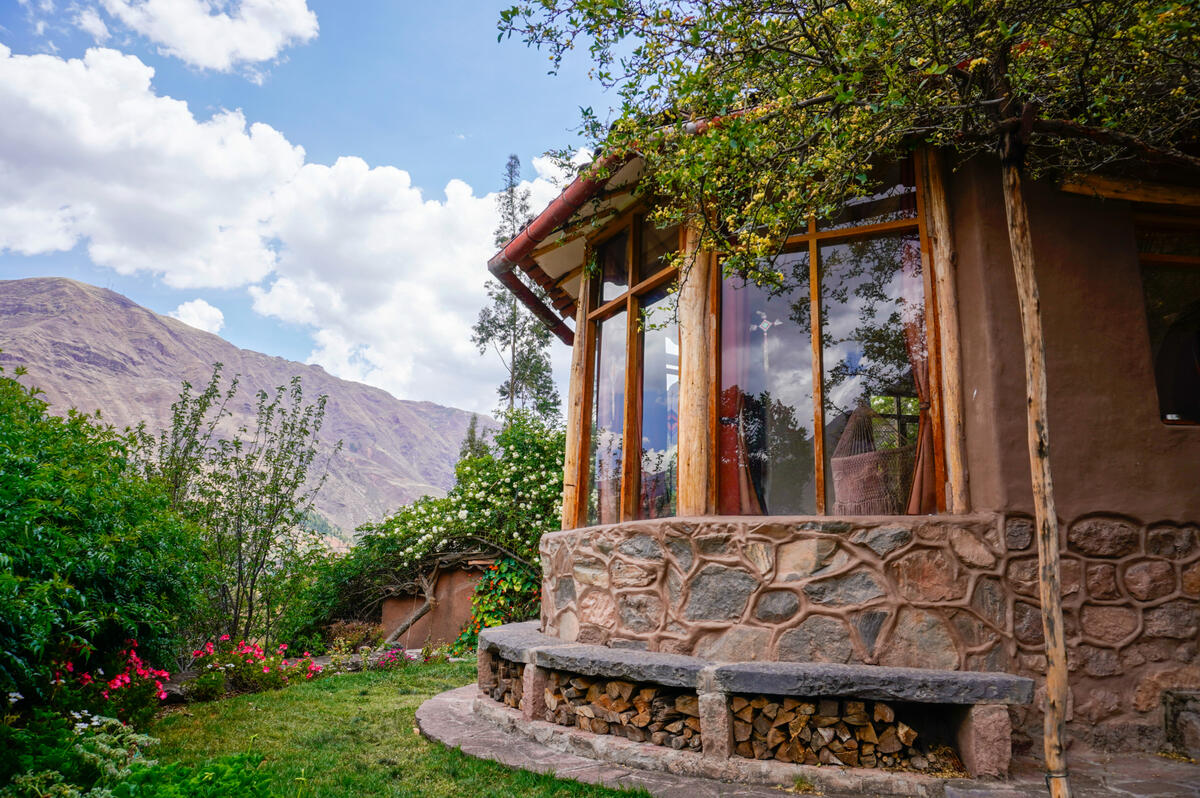
There are three residences on the property; all are self-contained and have a fully equipped kitchen with cookstove, oven and fridge, toaster and electric kettle, filtered water, gas or wood heaters, hot-water showers and modern beds with fine linens and duvets, and high-speed satellite internet / Wi-Fi service.

Rose - The Ceremony House
Rate/night1 person $40
2 people $60
Rose - The Ceremony House: this is where Paul lives together with three rescue dogs; generally used in an ‘overflow’ situation, by our short-term (overnight only) visitors participating in the weekly public-group ceremony. It has two available bedrooms:a) The ’Twin’ - with two single beds
b) The ‘Double’ - with one double bedThe two cottages at the top of the property are primarily used by our longer-term private-retreat guests, but, subject to availability are available for overnight visitors participating in the Wednesday ceremony

Jasmine
Rate/night1 person $55
2 people $75
The most private retreat space, has one bedroom and a double-bed

Honeysuckle
Rate/night1 person - 1 room $60
2 people - 1 room $80
2 people - 2 rooms $120
4 people - 2 rooms $160
The larger of the two cottages, has two bedrooms, each with two single-beds, and a separate living-room.
Weekly discount; pay for 6 nights and the 7th is free.


About
Mission & Philosophy
Hummingbird Retreat is an expression of the potential for love, joy and transformation that we hold within and that San Pedro can assist us to access and live. Hummingbird Retreat provides an accepting, loving environment where guests have the time and space to delve into themselves; to heal, connect to their soul and explore who they are. Surrounded by a powerful landscape and nurtured by the energy of this unique property there is the opportunity to let go and discover the possibilities.
Paul Temple
Graduated from UCNW Bangor with a honours degree in Botany and a Postgraduate Certificate in Education. An avid rock-climber, and a secondary-school teacher, he emigrated to Canada where he worked in the mining business for several years before travelling to India - where he resided for the better part of the next fourteen years, studying yoga, meditation and Sanskrit.A lifelong gardener, he first came to Peru in 1999 to explore the shamanic use of traditional plant-medicines, and currently lives just outside of Pisaq, in a self-designed house based loosely on the principals of sacred geometry, and designed specifically to support visitors in the study of San Pedro, and the integration of the teachings of this ancient tradition into contemporary life.Paul’s time in India influences much of the way he works. He holds a solid grounded energy with much of his focus being to assist clients to recognize and hold their own energetic-centre. His soft and gentle conversational approach is rich in symbols, analogies and stories.

Connect

Directions from Pisac to Hummingbird Retreat
(Paul’s Place)(1.1 Km - about 15 minutes walk, or a 5 minute moto-taxi ride)

From the top left (NW) corner of the main plaza in Pisaq, follow Ave. Cuzco for two blocks to the edge of the pueblo, overlooking the maize fields.Turn right and within 50 meters is the Capilla, a small white chapel (this is as far as a taxi can go), although moto-taxis run a service to the end of the path at the farm at Juqui, about 1.2 Km.

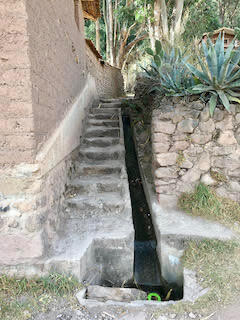
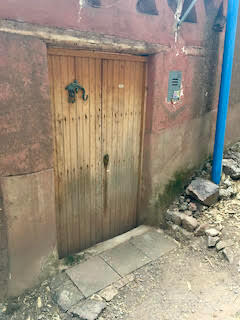
Follow the path (Pata Calle) that goes past the chapel and contours around the terraced fields of ‘Pata Pata’, until you reach the place shown in the photo below; (about 1 Km) just before the path takes a sharp left then right ‘dog-leg’ - known on the moto-taxi list of tariffs as ‘Casa de Otorongo’, and costing S/5-6 depending on the number of passengers, and a further S/1-2 after dark.